
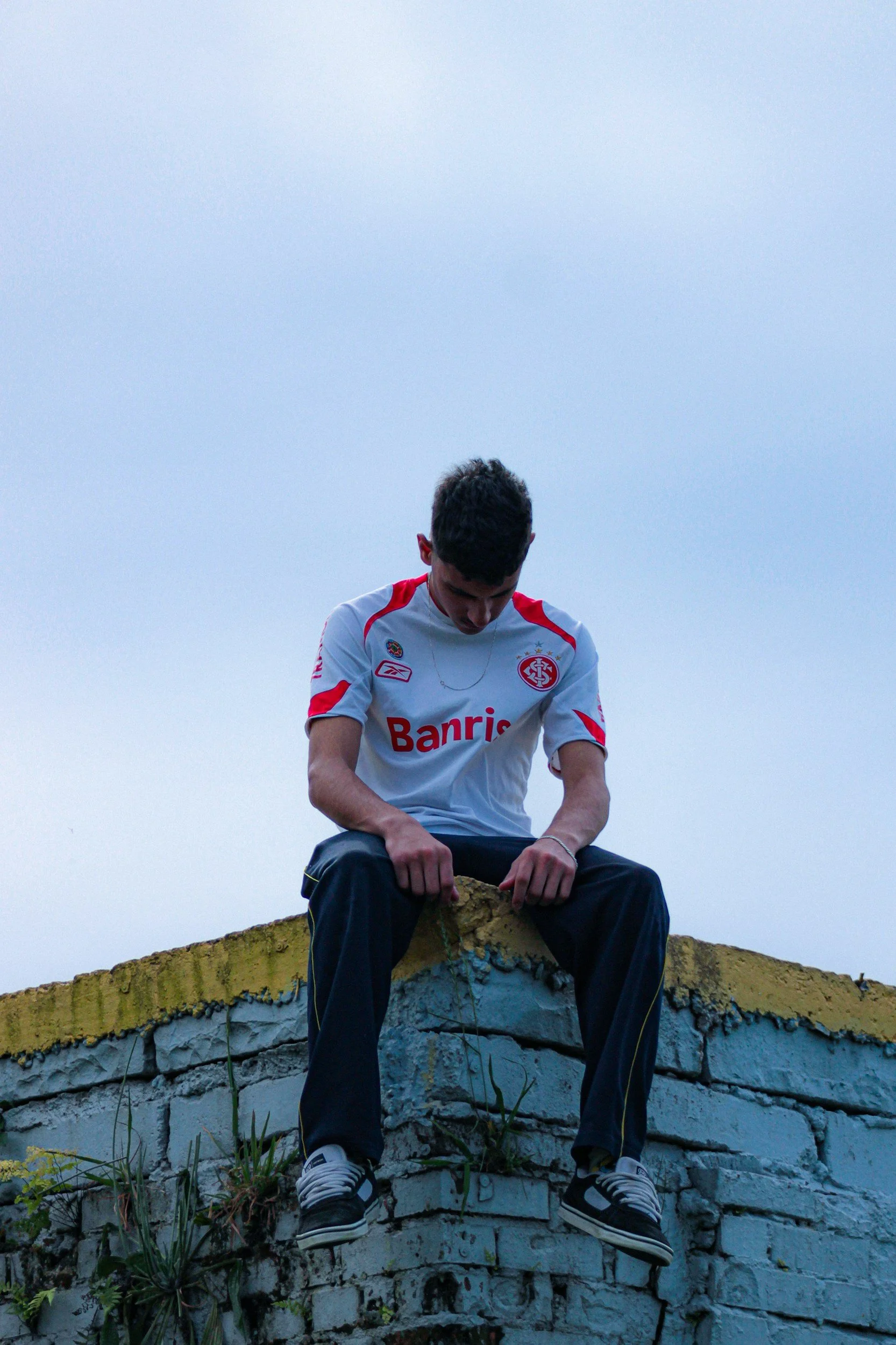
I Know You Don't Want Help
You don't want support. You don't want understanding.
You don't want someone to tell you they know how you feel — because they don't. They've never been you. Never built an identity from the ground up out of speed and impact and the singular focus of becoming the best version of a thing most people will never attempt.
They don't know what it costs to be that and they don't know what it feels like when it's gone.
I do.
Not because I read about it. Not because I worked with athletes and observed it from a safe professional distance. Because I lived it.
I was the person who flew down mountains with my hair on fire and knew — in those moments — exactly who I was. Completely. Without question.
And then it wasn't one injury that changed everything. It was injury after injury after injury. Never healed. Never dealt with. Just coped. Went to work the next day. Did the job. Kept moving.
Because moving was the only way to stay ahead of what was underneath.
The aggression getting worse. The depressive days in a dark room. The fog that nobody else could see because from the outside Kim was always so happy. I was — as long as I was moving.
The happiness wasn't fake. But it was conditional. It required speed. Impact. The body doing what it was built to do.
Once the movement stopped — really stopped — the thing I'd been outrunning my entire life was standing right there waiting. I had spent years, my whole life hiding it. From everyone. Including myself.
I would have pushed away anyone who tried to help me. My brain would have read support as pity. Understanding as condescension. Help as proof that I had lost.
So I'm not here to help you. I'm here to tell you I know exactly where you are.
The anger that arrives without warning. The fog that won't lift. The body that used to be your greatest asset and now feels like a stranger. The identity so completely built around the sport that without it you don't know where you end and the loss begins.
The quiet that used to mean rest and now just means absence.
I know.
And I know that somewhere underneath all of that — underneath the rage and the fog and the not knowing — there's a part of you that's still looking for the way out.
Not back to who you were. Forward to who you're supposed to become.
You don't have to trust me yet. You don't have to believe this will work.
I only ask one thing.
Say this to yourself. Just once. Quietly. Like it's yours — because it is.
I give myself permission to heal.
That's where it starts.
Everything else follows.
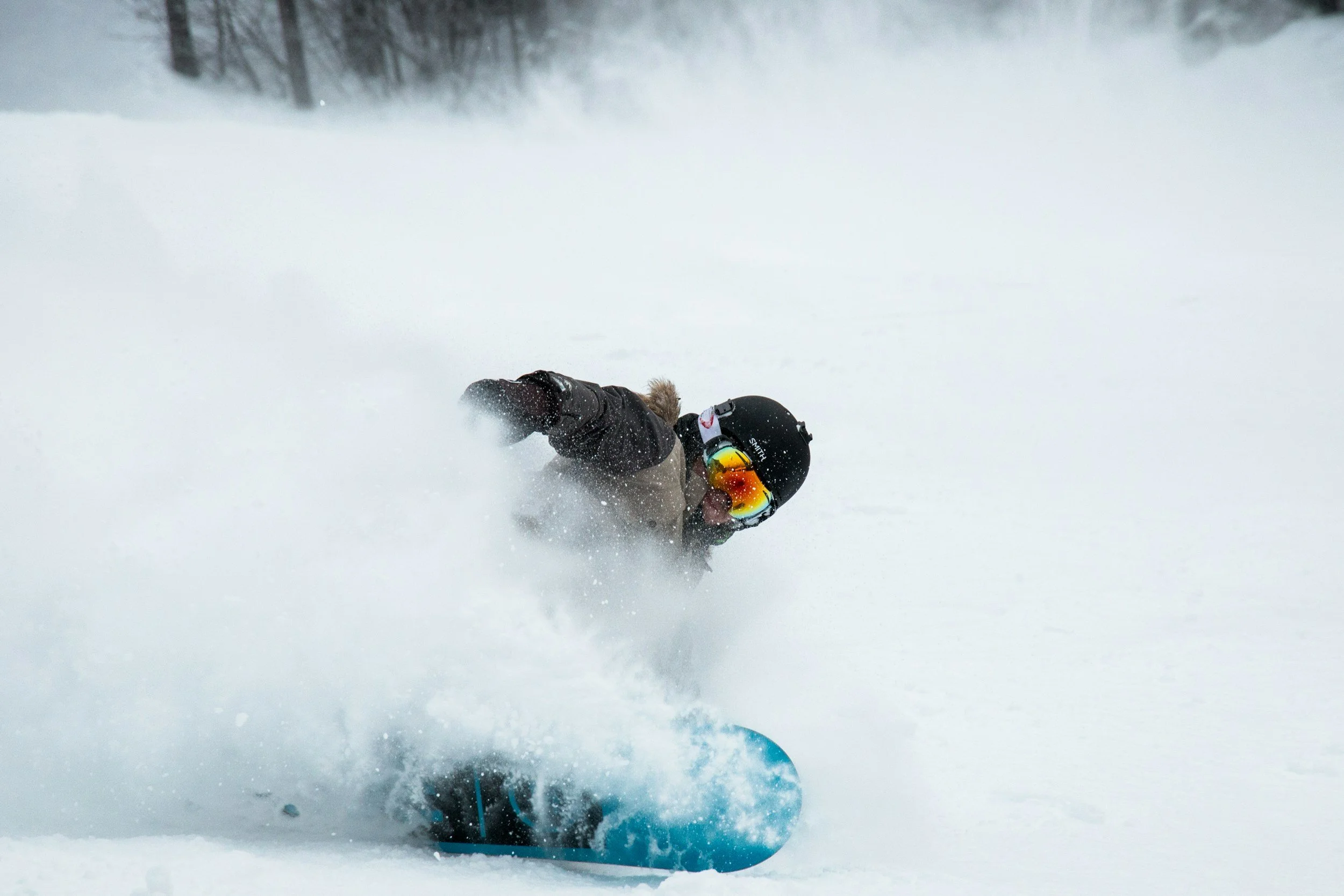
The Perfect Compensator
There's a reason you made it as far as you did.
An athlete is the perfect compensator.
You learned early how to get the job done regardless of what was happening underneath. Pain? Push through. Fog? Focus harder. Something feels off? Find another gear.
You didn't do this because you were reckless. You did it because it worked. Your brain and body are extraordinary at finding workarounds — rerouting, rewiring, compensating for damage in real time without missing a beat.
That's not weakness. That's one of the most remarkable things a nervous system can do. But here's what nobody tells you.
Every compensation creates new wiring. Every workaround lays down another layer. Every time you pushed through instead of healing, your brain built a detour around the damage and kept moving.
For years. Decades sometimes.
Until the wiring gets so tangled, so layered, so confused — that the brain can no longer find its way through. And then it shuts down.
Not slowly. Not gracefully. Completely.
The pain that won't respond to anything. The anger with no clear target. The depression that arrives like a door closing. The relationships fracturing. The confusion about who you are and where you go from here.
That's not failure. That's a nervous system that finally ran out of detours.
Here's what happens when we clear it.
When we remove the excessive wiring — the compensations, the workarounds, the layered damage that's been building since the first hit — and teach the body to move the way it was actually designed to move —
Everything changes.
Not because we added something.
Because we removed what was in the way.
You notice you don't have to work as hard to get the same result. You don't exhaust as fast. You recover exponentially quicker. Your body starts to feel like the machine it always was — before the years of compensation buried that feeling under layers of damage and adaptation.
Your mind gets quieter. The relationships improve. With teammates. With the people you love. With yourself.
That last one is the one nobody expects.
The relationship with yourself.
Because somewhere in all the compensating, all the pushing through, all the moving so you didn't have to stop and feel —
You lost the thread back to who you actually are.
That thread is still there.
We find it together.
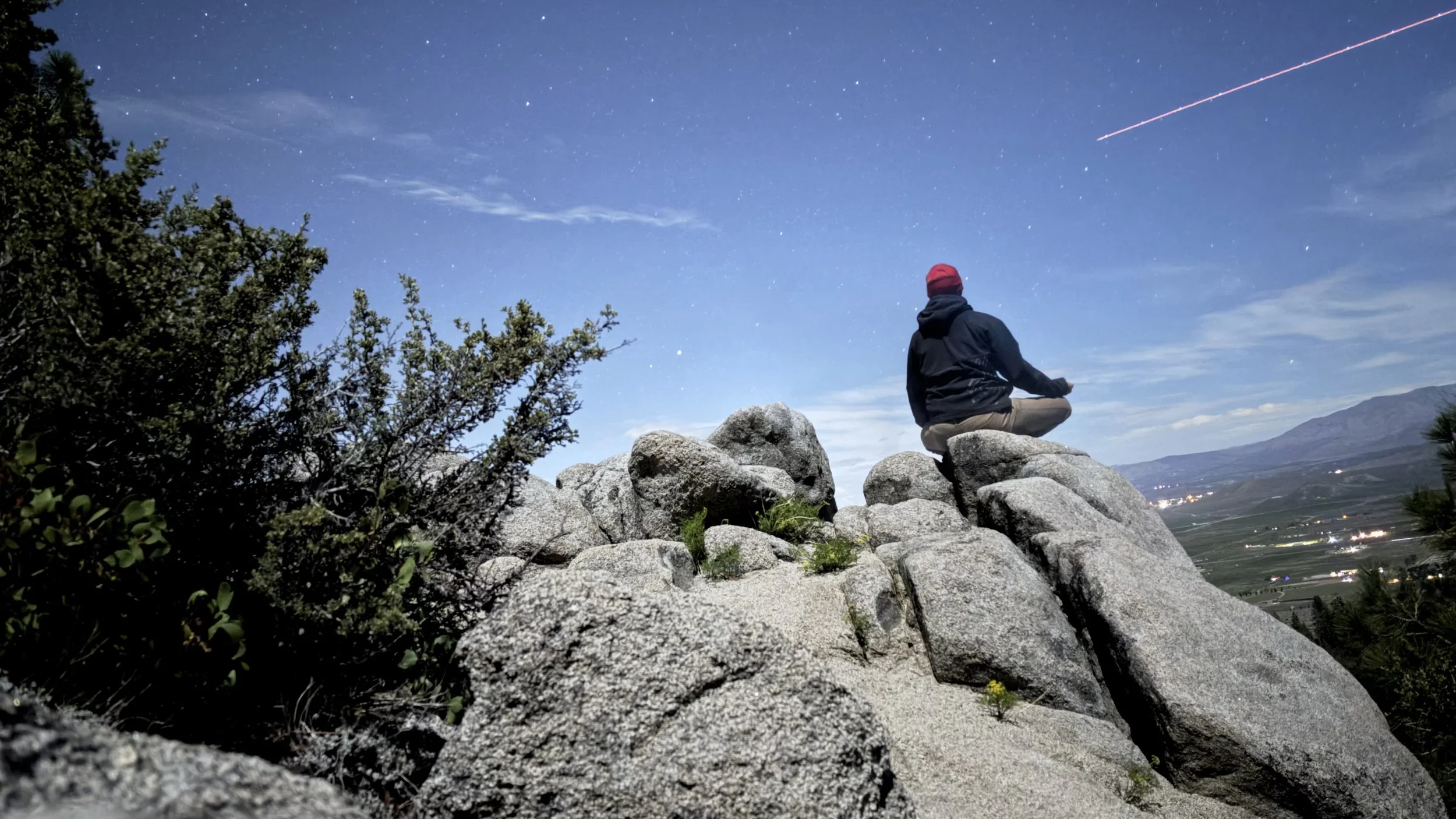
What This Looks Like For You
This isn't talk therapy.
You won't spend an hour on a couch describing how the injury made you feel.
You'll move.
The way you've always moved. The patterns, the actions, the mechanics of the sport that built you. Because movement is where your body tells the truth — and where it's been hiding the imbalances that have been affecting everything.
We use your sport as the diagnostic tool.
As you move I test the energy of your body in real time — reading exactly where the dysfunction lives, what's compensating for what, and what the root cause is beneath the compensation. The body reveals it all when it's doing what it knows.
Then we correct it. All of it. Not just the obvious injury. The layers underneath — the emotional patterns, the neurological wiring, the genetic vulnerabilities, the stored trauma that's been affecting your performance long before you knew to call it that.
And then we move again.
Because once the imbalances are corrected the body needs to learn what efficiency actually feels like. We lock it in through movement — teaching the nervous system that this is the new normal. Flow isn't something you chase anymore. It's something you return to.
Here's what athletes don't expect going into this work:
Underneath the athletic identity, underneath the injury, underneath the compensation — there are other imbalances. Ones that have nothing to do with sport. Ones that have been quietly affecting your performance, your relationships, your sense of self for years without you knowing.
You are an athlete. But you are also a human being carrying everything a human being carries.
We address all of it.
Because you can't perform at your highest level — in sport or in life — when you're only healing part of yourself.

Life On The Other Side
Nobody tells you this part.
Everyone talks about recovery. Return to sport. Getting back to who you were. Nobody talks about what's waiting further down the road than that.
Freedom.
Not the freedom of performing at your peak — though that comes too. A different kind of freedom. The kind that doesn't depend on anything outside of you to feel whole.
The morning you wake up and realize you don't need it anymore.
Not because you've given up. Not because you've accepted a smaller life. But because you've become someone whose identity runs deeper than any sport, any speed, any scoreboard ever could.
You can still do it. If you choose to. Now it no longer runs you.
You're not pissed off at the world when you can't. You're not a different person when the season ends. You don't need the movement to keep the darkness at bay — because the darkness has been healed at the root and it isn't waiting for you in the quiet anymore.
The quiet becomes something different entirely. It becomes where you find yourself.
Athletes who come through this work don't just report physical changes — though those are real and measurable. Stronger. More flexible. Recovering faster. The body finally moving like the machine it was always meant to be.
They report something harder to measure and more important.
They feel like themselves.
Not the athlete self. Not the injured self. Not the person who has been compensating and pushing through and hiding it all behind movement and aggression and a smile that said everything was fine.
Just themselves.
For the first time — maybe ever.
That's what's on the other side.
And it's worth every step of the work it takes to get there.
Who This Is For
This page was written for two kinds of athletes. You may be one. You may be both.
The athlete who wants to return.
You're not done. You know it. Your body knows it. But something isn't working the way it should — the recovery is slower, the fog won't clear, the performance has a ceiling you can't break through no matter how hard you train.
You've been told to rest. To manage it. To accept that this is just where you are now. You don't accept that.
Good.
Because the ceiling isn't your limit. It's the compensation. The layered damage nobody has addressed at the root. Clear that — and the athlete you've been trying to get back to has been there the whole time waiting.
You don't return to who you were.
You come back better. Stronger. More efficient. More in flow than you've ever been — because for the first time your brain and body are actually working together instead of one compensating for the other.
The athlete whose game is over.
Maybe the body made the decision for you. Maybe you made it yourself. Maybe you're still fighting that reality every single morning.
The sport gave you identity. Purpose. A reason to push. A place where everything made sense and you knew exactly who you were. And now that's gone.
What nobody tells you is that the loss of athletic identity is one of the most profound identity crises a human being can experience. Not because athletes are dramatic. Because they built themselves so completely around the sport that without it — there's a gap where a person is supposed to be.
You're not broken. You're in between.
And what's on the other side of this work isn't a smaller life without sport. It's the first version of yourself that doesn't need anything outside of you to feel whole.
The freedom to do it if you choose — or not — without it defining your worth, your mood, your reason to get up in the morning.
That's not losing the sport.
That's finally being bigger than it.
Both of you are welcome here.
Both of you are ready for something nobody else has offered you yet.
A guide who has been exactly where you are.
Who did this work alone so you don't have to.
I give myself permission to heal.
Say it again.
This time like you mean it.
Let's talk.
Let's find out who you are on the other side.